
When evaluating a real estate investment, it’s easy to focus on the property that’s right in front of you. But sometimes, the biggest opportunity isn’t another property—it’s finding a way to get more value out of the property you already own.
That’s exactly what one real estate investor is doing with a property in Port Royal, South Carolina.
The borrower already owned the property and was renting the existing home. Rather than simply continuing to rent the home as-is, he looked at the property as a whole and recognized an opportunity in the unused space behind the house.
The solution? Build an accessory dwelling unit (ADU).
The borrower is adding a new ADU to the property, creating a second potential rental opportunity on the same parcel.
We recently visited the property during construction, and it’s a great example of the kind of creative thinking that can make real estate investing so interesting.
Instead of purchasing another property to add to his rental portfolio, the borrower is using an asset he already owns and creating an additional income-producing opportunity.
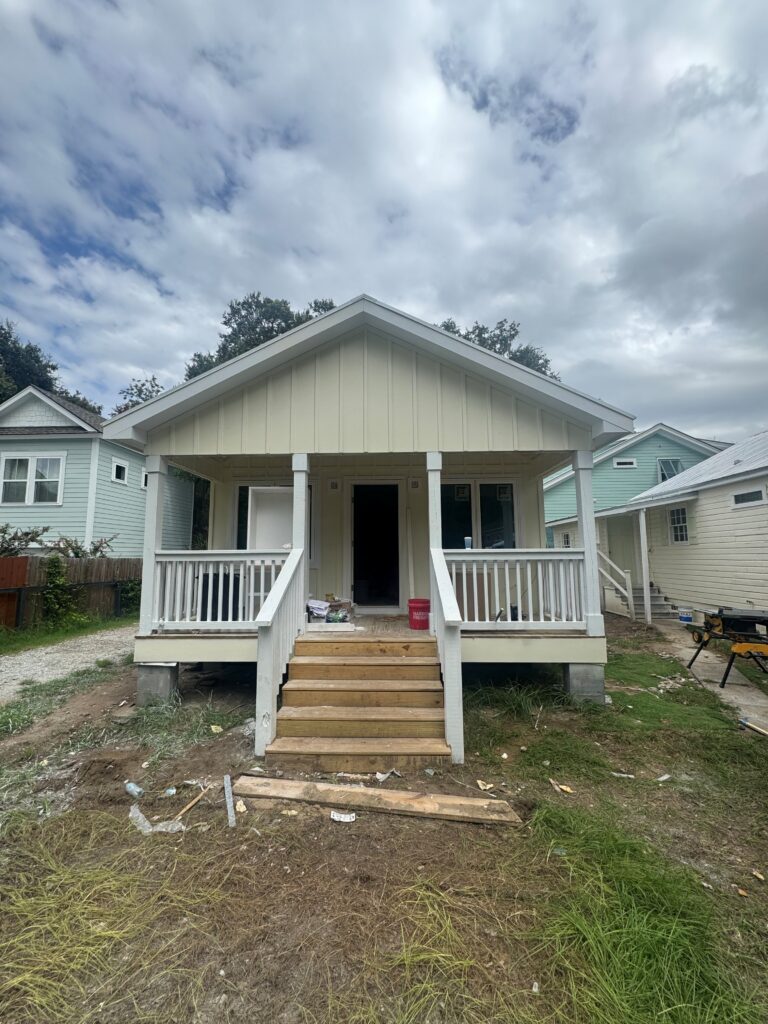
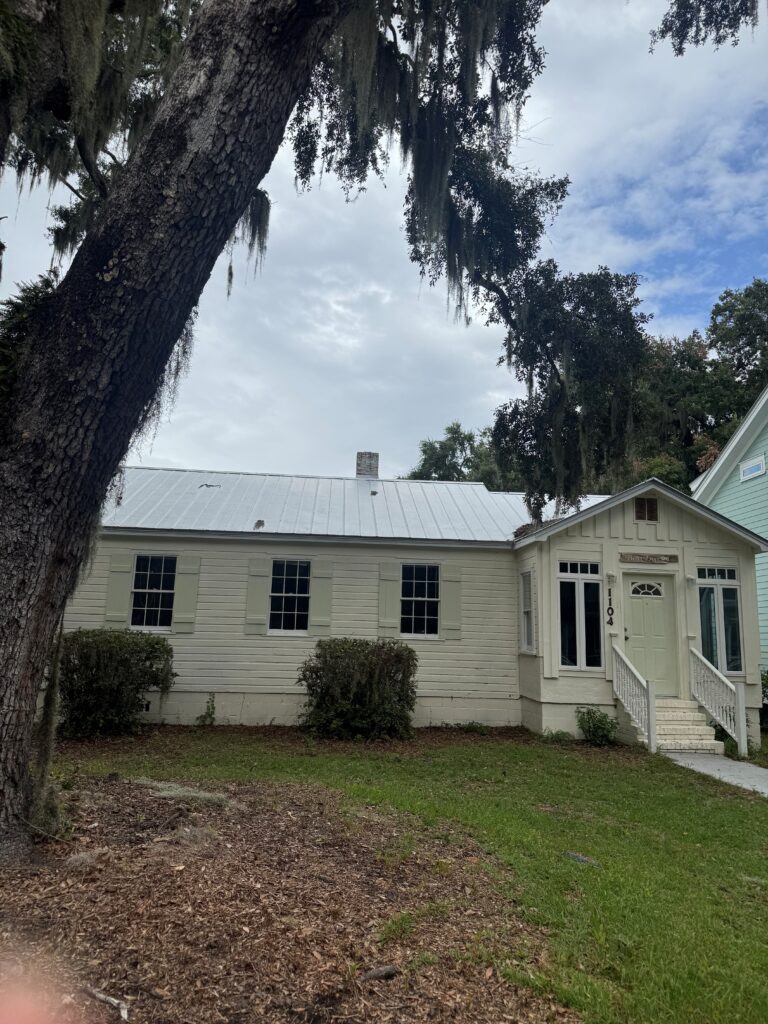
What Is an ADU?
An accessory dwelling unit, commonly called an ADU, is a secondary residential dwelling located on the same property as a primary residence.
Depending on local zoning and building regulations, an ADU may be attached to the primary residence or located in a separate structure on the property.
For real estate investors, an ADU can potentially provide another source of rental income while making better use of an existing property.
However, ADU regulations vary significantly by municipality and state. Investors should confirm zoning, permitting, utility, parking, and other requirements before beginning an ADU project.
Why Real Estate Investors Are Looking at ADUs
For the right property, an ADU can be an attractive value-add real estate investment strategy.
1. Create an Additional Rental Income Stream
The most obvious benefit is the potential to generate additional rental income.
In this particular Port Royal project, the borrower expects the completed property to generate approximately $4,000 per month in combined rental income from the existing home and the new ADU.
That represents approximately $48,000 in potential gross rental income annually.
Projected rent isn’t guaranteed income, of course. Investors should evaluate market rents, vacancy, operating expenses, property taxes, insurance, maintenance, and other costs before determining whether an ADU makes financial sense.
Still, the potential to add another rental unit can materially change the economics of an investment property.
2. Maximize Land You Already Own
One of the biggest advantages of this strategy is that the investor already owned the underlying property.
Rather than purchasing another investment property, paying another down payment, and taking on another acquisition, he identified an opportunity to better utilize the land associated with an existing rental property.
For investors in South Carolina, North Carolina, and Georgia, this can be an especially interesting strategy to explore in markets where rental demand and housing costs make additional living space attractive.
The key is determining whether the specific property supports the project from a zoning, construction, financing, and investment standpoint.
3. Potentially Increase Property Value
Adding a permitted and functional dwelling can potentially increase the appeal and value of a property.
A property with two legal dwelling units may appeal to a different group of buyers than a traditional single-family rental, particularly in markets where additional housing is in demand.
Investors should not assume that every dollar spent on an ADU will translate directly into increased property value. Construction costs, comparable sales, rental income, permitting, appraisal methodology, and local market conditions all matter.
Financing an ADU Construction Project
Having a great investment idea is only part of the equation. Investors also need a financing strategy.
For this Port Royal project, Low Tide Private Lending is providing financing for the ADU construction.
Private lending can be a useful financing option for real estate investors pursuing ADU construction, property renovations, additions, and other value-add projects.
Unlike traditional long-term mortgage financing, private real estate loans are often structured around the specific investment project and its strategy.
The property’s current condition, proposed improvements, projected value, construction budget, borrower experience, exit strategy, and overall project economics can all factor into the financing decision.
Using Short-Term Financing With a Long-Term Exit Strategy
Another important part of this Port Royal project is the borrower’s exit strategy.
The plan is to complete the ADU construction, stabilize the property, and then refinance into long-term rental property financing.
This is a common concept for real estate investors pursuing value-add projects.
Short-term financing can provide the capital needed to complete the improvements. Once construction is complete and the property is producing rental income, the investor may be able to transition into longer-term financing that better fits the property’s new purpose.
The specific refinance strategy will depend on the investor, completed property value, rental income, available loan programs, market conditions, and qualification requirements.
ADU Financing in South Carolina, North Carolina & Georgia
Low Tide Private Lending works with real estate investors across South Carolina, North Carolina, and select Georgia markets.
Investors considering an ADU, renovation, bridge loan, or other value-add project should evaluate both the real estate opportunity and the financing strategy before moving forward.
Local regulations are particularly important with ADUs. Requirements for accessory dwelling units can vary by city and county, so investors should verify that the proposed project is permitted before committing to construction.
For investors in markets throughout the Carolinas and select Georgia markets, understanding the local rules and having a realistic construction budget and exit strategy can make all the difference.
Think Beyond the Existing Floor Plan
The bigger lesson from this project goes beyond ADUs.
When evaluating a real estate investment, look at the property’s potential—not just its current condition.
Ask questions like:
- Is there unused land that could potentially be developed?
- Could an ADU or second dwelling be permitted?
- Is there an underutilized garage or structure that could be converted?
- Could the existing layout be improved to create more functional space?
- Is there an opportunity to add another source of rental income?
- Could a renovation or addition make the property more valuable or marketable?
- What does the property look like from an income-producing standpoint after the improvements are complete?
Not every property will have the right zoning, lot size, demand, or economics for an ADU.
But for the right property and the right investor, building an ADU can be an interesting way to create additional rental income and potentially increase the property’s overall value.
Sometimes the Best Investment Is the One You Already Own
Real estate investing doesn’t always mean buying another property.
Sometimes, the opportunity is sitting in your own backyard—literally.
This Port Royal project is a great example of an investor looking at an existing asset differently, identifying an opportunity to add another dwelling, and using private construction financing to turn that idea into a tangible investment project.
The next time you’re evaluating a property you already own, don’t just ask:
“What is this property worth today?”
Ask:
“What could this property become?”
That question could uncover an entirely new investment opportunity.
Have an ADU or Value-Add Project in Mind?
Low Tide Private Lending provides private real estate loans for investors in South Carolina, North Carolina, and select Georgia markets, including financing for renovation, bridge, construction, and other value-add investment opportunities.
If you’re considering an ADU construction project, rental property renovation, addition, or other creative real estate investment, we’d be happy to discuss the project and your financing strategy.
Contact Low Tide Private Lending to talk through your next investment opportunity.